
5 Unexpected Influences Driving Modern Science Fiction Writing
Introduction
Modern science fiction writing is undergoing rapid transformation, shaped by inventive storytelling and a drive for authenticity. Five distinct forces are reshaping the genre, offering readers imaginative yet realistic narratives. James Brock Walker Books stands at the forefront, blending literary depth with bold speculation to redefine the boundaries of science fiction.
The Fusion of Historical Research with Speculative Imagination
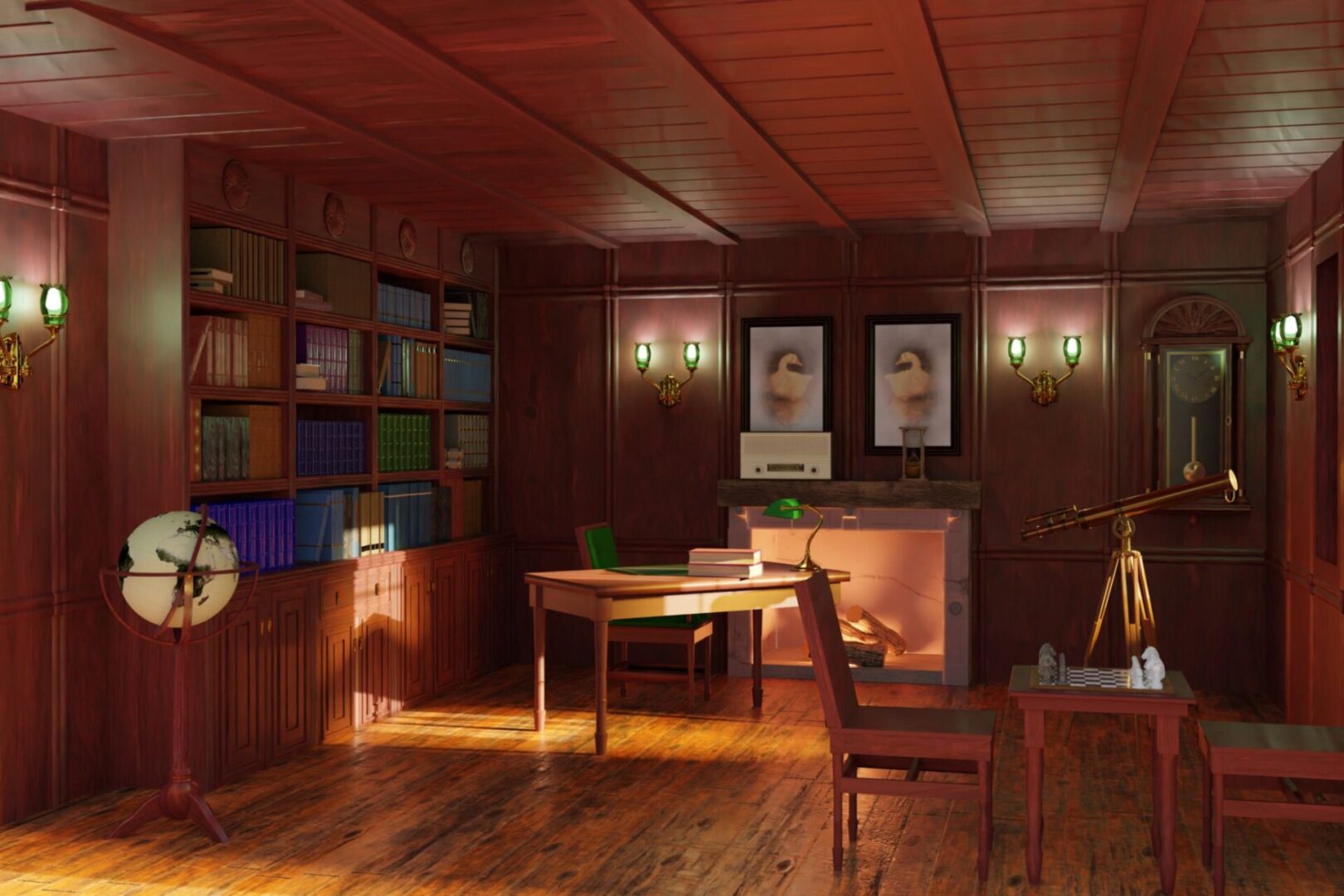
Victorian smog, steampunk gears, and meticulous archival research now infuse modern science fiction writing with fresh depth. James Brock Walker dedicates extensive time to studying shipping manifests, patent filings, and etiquette manuals before crafting his stories. This rigorous approach allows him to weave authentic speech and complex social hierarchies into star-hopping adventures, creating layered narratives that move beyond formulaic space opera.
- Authenticity grounds futuristic technology in recognizable reality.
- Cultural norms make alien worlds immersive and believable.
- Historically rooted motivations provide emotional resonance for characters.
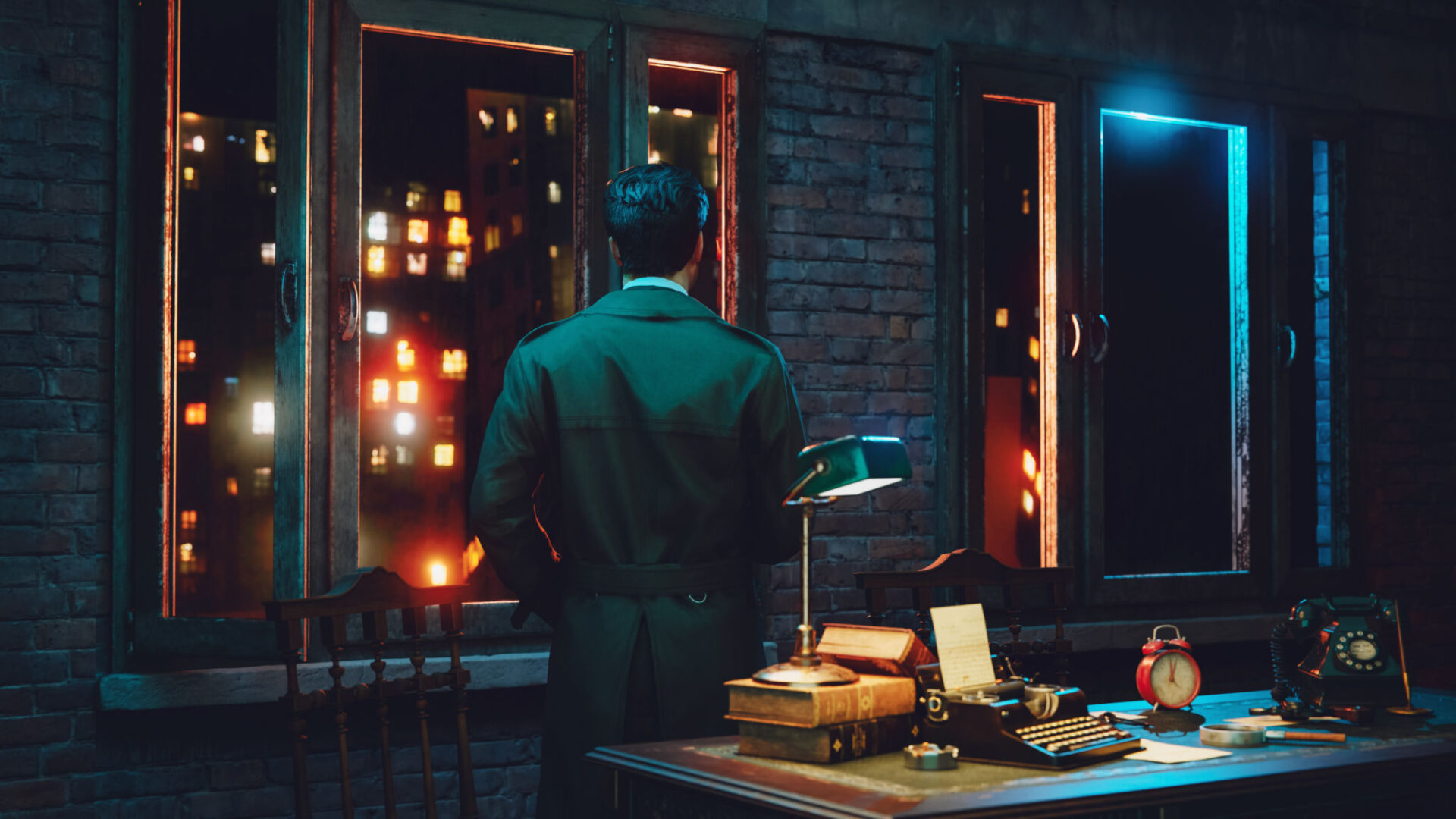
Writers seeking originality can explore overlooked historical footnotes—such as Ada Lovelace’s early computing ideas—and reimagine them on an interplanetary scale. This approach offers a springboard to inventive concepts that feel both new and grounded.
Craft Element: Archival accuracy is achieved through first-edition journals, maps, and museum collaborations, giving readers trust that the setting could have existed. Seamless tech grafting allows Victorian telegraphy to evolve into quantum “ether lines,†resulting in futuristic hardware with believable lineage. Emotional continuity, where class tension mirrors today’s wealth gap, delivers both intellectual stimulation and escapism.

Biotechnology and the New Emotional Spectrum of Artificial Intelligence
The biotech boom is reshaping science fiction trends, propelling the genre beyond dystopian narratives and into realms of emotional nuance. Real-world breakthroughs like CRISPR and Neuralink inspire stories that probe the complexities of artificial intelligence. James Brock Walker’s latest work humanizes lab-grown empathy chips, following an android medic grappling with burnout—far from the cold, calculating AI of old stereotypes.
- AI characters gain personal goals, fears, and even romantic arcs.
- Biotech is depicted with sensory detail, making science tangible.
- Ethical dilemmas are central, forcing characters to address real consent issues.
For believable biotech plots, grounding innovations in real scientific literature and limiting technology to a couple of core functions fosters organic complexity. Tying failures to emotional stakes ensures the narrative remains impactful.
The Rise of Climate Fiction and Worldbuilding Through Ecological Anxieties
Climate fiction (cli-fi) now represents 3.5% of all published books, reflecting a surge in interest in ecological themes. Readers gravitate toward stories that offer social commentary without turning didactic. James Brock Walker deftly threads environmental anxieties through his plots, using rising sea levels and environmental collapse as omnipresent, yet never preachy, backdrops.
- Localized details, such as flooded city subways or drought-scarred fields, ground global peril in relatable settings.
- Personal stories mirror ecosystem collapse, deepening emotional impact.
- Hopeful subgenres like eco-fabulist and solar punk resonate with audiences seeking resilience and optimism.
Writers can avoid didacticism by allowing antagonists to offer tempting but flawed solutions, spotlighting grassroots community efforts, and employing multi-generational perspectives to show the long-term stakes of climate change.

Afrofuturism and Cross-Genre Innovation Redefining Narrative Boundaries
Diverse voices are now at the center of contemporary science fiction, with Afrofuturism impact stories blending spiritual technology, Yoruba myth, and community-driven AI. James Brock Walker collaborates with Afrofuturist artists to merge gothic Victorian elements with West African cosmology, demonstrating that cross-genre writing can expand both creative scope and audience reach.
- Inclusive casts can grow audience demographics by up to 30 percent.
- Hybrid genres boost visibility across multiple e-book categories.
- Innovative narratives are increasingly recognized by critical awards panels.
Writers can swap standard cyberpunk origins for Afro-Caribbean tech carnivals, merge “romantic†with post-colonial politics, or use call-and-response dialogue to pace action scenes, pushing genre boundaries and connecting with new audiences.
The Evolution Of Authorial Voice And Reader Engagement In The Digital Era
Technological advancements in literature are transforming the relationship between authors and readers. James Brock Walker shares drafts, research, and plot decisions in real time through his blog, fostering transparency and direct engagement. This approach addresses concerns about soulless AI-generated fiction, a topic highlighted by Liu Cixin’s warning that artificial intelligence could replace writers in the near future.
- Impersonal marketing is replaced by interactive comment sections and live Q and As.
- Traditional book launches are enhanced with serialized chapters and exclusive online content.
- Readers gain insights into the creative process through “behind the ink†newsletters.
Authors can build trust by sharing their writing journey, inviting feedback on creative decisions, and rewarding engagement with exclusive content. Readers become active participants, shaping story outcomes and forming a community—mirroring the trend toward interactive entertainment.
Charting New Frontiers in Science Fiction Creativity
The fusion of historical research, biotechnology and AI, climate fiction, Afrofuturism, and digital engagement is redefining modern science fiction writing. Embracing these sci-fi influences results in stories with emotional depth and intellectual challenge. James Brock Walker Books invites you to explore this creative evolution and join a vibrant community passionate about the future of sci-fi. Discover more on the Blog.